

After a tooth extraction, the last thing on anyone’s mind should be lighting up a cigarette. Yet, some might think a little puff won’t hurt. But let’s face it: smoking right after a dental procedure is like trying to water a plant with a fire hose. It’s just not a good idea.
In the first 24 hours, your mouth’s in recovery mode, and that smoke isn’t doing it any favors. From dry sockets to delayed healing, the risks can turn a simple extraction into a dental drama. So before reaching for that pack, let’s dive into why waiting a bit longer might just save your smile—and your sanity. After all, who needs extra trips to the dentist when you can keep things simple?
Overview of Tooth Extraction
Tooth extraction is a common dental procedure performed for various reasons, including severe decay, infection, or crowding. A dentist typically conducts this procedure under local anesthesia, ensuring the patient feels minimal discomfort. After removing the tooth, the body begins a natural healing process that can take several days.
Recovery timelines vary based on individual factors, but most people start feeling better within a few days. The first 24 hours post-extraction are crucial for healing and avoiding complications. Patients often experience swelling and mild pain during this period, which can be managed with prescribed medications.
Following the procedure, dental professionals recommend specific aftercare instructions to promote healing, including avoiding certain activities. Smoking is a significant risk factor that can impede recovery. The inhalation of smoke introduces harmful chemicals, which may irritate the extraction site and delay healing. Furthermore, smoking can increase the likelihood of developing a dry socket, a painful condition that arises when the blood clot dislodges.
Maintaining proper oral hygiene is essential. Gentle saltwater rinses can help keep the extraction site clean. Diet also plays a role; soft foods contribute to a more comfortable recovery. Patients should prioritize hydration and nutrient-rich options for better healing.
Lastly, staying mindful of follow-up appointments is important. A dentist provides ongoing care and can address any concerns that arise during recovery. Adhering to these guidelines ensures the healing process remains on track and minimizes any potential complications.
Risks of Smoking After Tooth Extraction
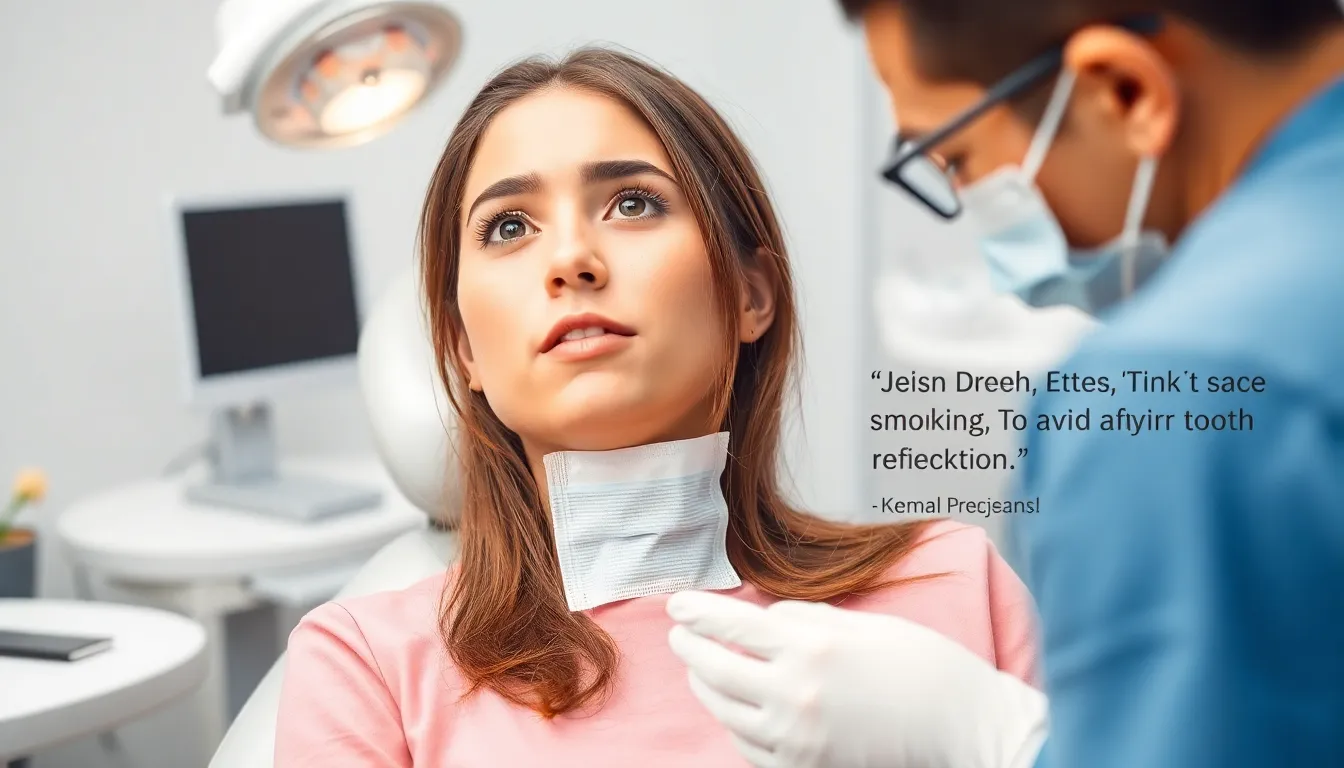
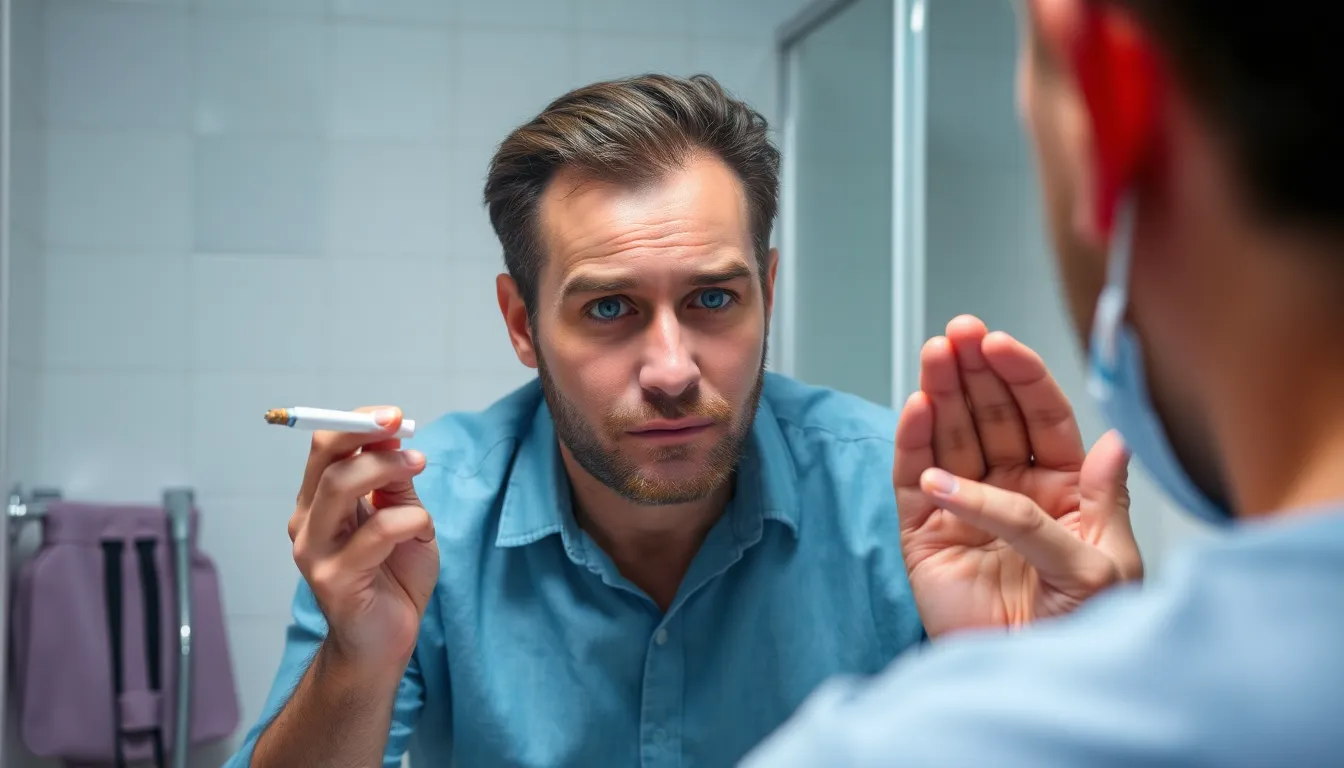
Smoking after a tooth extraction poses significant risks. Engaging in this habit within the first 24 hours can severely disrupt the healing process.
Impact on Healing
Smoking interferes with the body’s natural healing mechanisms. The chemicals in tobacco smoke constrict blood vessels, reducing blood flow to the extraction site. Decreased circulation leads to slower healing and promotes complications. Many patients experience heightened pain and swelling, complicating their recovery. Avoiding smoking for at least 24 hours post-extraction aids in achieving a smoother recovery.
Increased Risk of Infection
Smoking raises the likelihood of developing infections after tooth extraction. Pathogens thrive in the presence of smoke, and inhaling these materials can contaminate the surgical site. Infections may cause increased pain, swelling, or even pus formation. Delayed healing alongside these symptoms may require additional treatments or interventions. By refraining from smoking, patients lower their risk of post-operative infections, promoting overall oral health.
Recommendations for Patients
Recovery after a tooth extraction requires careful attention, especially regarding smoking. To support healing, adherence to certain guidelines is essential.
When is it Safe to Smoke?
It’s crucial for patients to wait at least 72 hours after a tooth extraction before smoking. Delaying smoking beyond the immediate 24 hours significantly promotes healing. The first few days post-extraction are vital, as the blood clot forms and begins the healing process. If patients smoke too soon, they increase the risk of dry sockets and infection. Monitoring for pain or unusual symptoms during this waiting period is also important.
Strategies to Manage Craving
Finding effective ways to manage cravings can ease the urge to smoke. Engaging in activities like deep breathing or going for a walk can redirect focus. Staying hydrated helps as well; sipping on water or herbal tea may reduce cravings. Distraction techniques, such as reading or listening to music, also work well. Support from friends or family can reinforce willpower during this time. For patients who struggle significantly, consulting a healthcare professional for resources may be beneficial.
Alternatives to Smoking Post-Extraction
Finding alternatives to smoking after a tooth extraction becomes essential for healing. Chewing sugar-free gum can be a productive way to keep the mouth engaged while avoiding tobacco. Drinking herbal tea offers a soothing option that also provides hydration, promoting recovery and comfort.
Using nicotine patches may help reduce cravings without the harmful effects of smoke. Engaging in relaxing activities like yoga or meditation keeps the mind occupied and provides stress relief, which can lead to fewer cravings. Consuming soft, nutritious foods, such as mashed bananas or yogurt, aids healing, providing necessary nutrients without irritation.
Exploring oral fixation substitutes can also help. For some, toothpicks or straws (after 24 hours) serve as alternatives to soothe the urge without harm. Finding a supportive buddy or group may offer a valuable outlet for sharing experiences and staying motivated.
Utilizing deep breathing techniques has proven helpful in managing cravings. Focusing on slow, controlled breaths allows for relaxation and distraction. Seeking professional advice, including counseling or smoking cessation programs, could provide targeted strategies for overcoming the habit.
Staying hydrated remains critical, as plenty of water supports overall health. Avoiding stress through daily exercises or hobbies can prevent triggers that lead to cravings. By using these alternatives, individuals can minimize risks associated with smoking and boost the healing process following tooth extraction.