
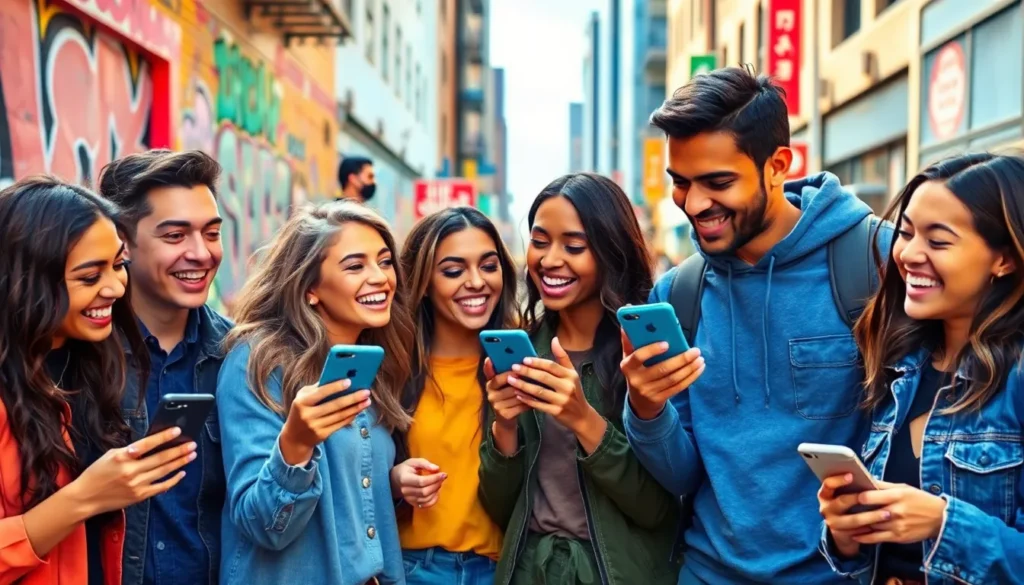
In today’s digital age, viral phenomena are the modern-day equivalent of a wildfire—spreading rapidly and unpredictably. One moment, a cat video captures hearts around the globe, and the next, a meme has everyone laughing (or cringing) in unison. These fleeting moments of internet fame can turn ordinary people into overnight sensations, proving that sometimes, all it takes is the right timing and a sprinkle of creativity to capture the world’s attention.
But what exactly makes something go viral? Is it the catchy tune, the relatable content, or perhaps just sheer randomness? As the internet continues to evolve, understanding the mechanics behind these phenomena becomes essential for anyone looking to make their mark. Buckle up as we delve into the whimsical world of viral trends, where laughter and creativity collide, and discover what makes them tick.
Understanding Viral Phenomena
Viral phenomena capture the imagination and attention of the public, spreading rapidly across digital platforms. These trends often emerge unexpectedly, driven by creativity and timing.
Definition of Viral Phenomena
Viral phenomena refer to content that gains widespread popularity in a short time frame. They can take the form of videos, memes, songs, or challenges. Social media platforms facilitate this fast-paced spread, allowing individuals to share content instantly. Popularity often hinges on relatable themes or humor, making the content resonate with a broad audience. Examples include viral challenges like the Ice Bucket Challenge or catchy songs like “Baby Shark.” Understanding these concepts helps individuals create impactful content.
Historical Context
Viral phenomena have evolved with technological advances. The term “going viral” gained traction in the early 2000s as internet usage soared. Initial examples included the “Dancing Baby” in 1996 and “All Your Base Are Belong To Us” in 2001. With the rise of platforms like YouTube and Twitter, viral content became more accessible. These platforms enabled rapid content sharing among users, which amplified viral trends. In recent years, TikTok has emerged as a dominant force, further transforming how content spreads. Each era has contributed uniquely to the landscape of viral phenomena, shaping current trends.
Types of Viral Phenomena

Viral phenomena manifest in various forms, each contributing to the digital landscape’s dynamism. The following sections detail specific types.
Memes and Internet Challenges
Memes signify a popular form of viral content, encompassing humor, cultural references, and relatable scenarios. They often evolve quickly, spreading through social media platforms like Twitter and Instagram. Internet challenges, such as the Ice Bucket Challenge, engage users by inviting them to participate and share their experiences. This participatory element boosts visibility and encourages further sharing. Each meme or challenge taps into cultural moments, leading to widespread engagement where humor often reigns supreme.
Viral Marketing Strategies
Viral marketing strategies leverage the power of social connections to promote products or ideas. Brands craft content designed for quick sharing, aiming for maximum exposure. Successful campaigns, like ALS Association’s Ice Bucket Challenge, combine purpose with entertainment, prompting users to actively participate. Social media platforms facilitate sharing, enhancing brand visibility. Influencer partnerships further amplify reach, allowing brands to access diverse audiences. Each strategy hinges on creating engaging content that resonates, ensuring that sharing occurs organically, and sparks a broader conversation online.
Impact of Viral Phenomena
Viral phenomena greatly shape digital interactions, influencing trends and public perceptions. Their rapid spread creates a dynamic environment where content thrives and evolves.
Influence on Social Media Trends
Viral content drives social media trends, dictating what users discuss and share. Memes circulate widely, often reflecting current events or popular culture. Platforms like TikTok and Instagram host challenges that capture users’ imaginations. Creativity plays a key role, as unique concepts stand out in crowded feeds. Engaging content fosters community and encourages participation, leading to further sharing. As these trends grow, they inspire new creators to join the conversation. Brands leverage these viral moments to enhance visibility, responding quickly to remain relevant.
Effects on Public Opinion
Public opinion shifts rapidly in response to viral phenomena. Events depicted in viral videos often generate widespread debate, highlighting issues or causes. Social movements gain momentum through compelling content that resonates deeply with viewers. Information spreads quickly, making awareness of social injustices more prominent. Users often weight their opinions based on viral narratives, as catchy hashtags put issues in the spotlight. Misconceptions can also spread, creating challenges for accurate discourse. The power of viral content shows how a single post can amplify voices and inspire action.
Case Studies of Viral Phenomena
Viral phenomena shape digital landscapes through memorable content. Analyzing notable examples reveals what captures audience attention.
Notable Viral Memes
“Distracted Boyfriend” exemplifies a meme that took off in 2017, depicting a man torn between his girlfriend and another woman. Its versatility allowed users to relate it to various situations, making it a staple in meme culture. The “Hide the Pain Harold” meme also gained traction, symbolizing concealed discomfort in everyday life. Memes like these often rely on simple visuals paired with relatable captions, ensuring widespread sharing and engagement. They spread quickly across platforms such as Twitter, Instagram, and Reddit, showcasing the meme’s adaptability and universal humor.
Successful Viral Campaigns
The ALS Ice Bucket Challenge stands out as a pivotal viral campaign from 2014. Participants poured cold water on themselves, raising awareness and funds for ALS research. This challenge combined humor and a clear call to action, driving participation from celebrities and ordinary people alike. Another example includes Dove’s “Real Beauty” campaign, which featured real women instead of traditional models. Its powerful message resonated widely, sparking discussions on self-esteem and body image. Both campaigns highlight the effectiveness of engaging content paired with meaningful social messages, fostering community and engagement.
Viral phenomena continue to shape the digital landscape in remarkable ways. They not only provide entertainment but also foster community engagement and spark important conversations. As creators navigate this unpredictable terrain, understanding the core elements that drive virality becomes essential.
With humor creativity and relatability at the forefront, the potential for ordinary individuals to achieve extraordinary reach is ever-present. The impact of viral content extends beyond mere trends influencing public opinion and encouraging social movements. Embracing the whimsical nature of these phenomena can lead to memorable connections and a lasting digital footprint.