

In a world where memes reign supreme and cat videos are a legitimate form of entertainment, web culture has woven itself into the very fabric of daily life. It’s not just a collection of trends; it’s a vibrant tapestry of creativity, humor, and sometimes, utter chaos. From viral challenges to the latest TikTok dance craze, understanding web culture is like trying to catch a greased pig—exciting yet slippery.
Navigating this digital landscape can feel overwhelming, but it’s also a treasure trove of insights. Whether you’re a seasoned netizen or just dipping your toes into the online waters, embracing web culture can open doors to new connections and ideas. So grab your favorite beverage, settle in, and get ready to explore the quirks and gems that make the internet a wild and wonderful place.
What Is Web Culture?
Web culture encompasses the collective behaviors, values, and practices that evolve through online interactions. This culture shapes how individuals create, share, and consume content in digital spaces.
Definition and Overview
Web culture refers to the shared norms and expressions found on the internet. It includes memes, trends, and languages unique to online communities. This culture thrives on platforms like social media, contributing to a dynamic environment where ideas circulate rapidly. Users engage in both playful and serious discourse, often blending various genres and styles. The digital landscape fosters innovation, making it an important aspect of modern life.
Historical Context
The origins of web culture trace back to the early days of the internet. Initially, forums and chat rooms served as the primary platforms for online interaction. Over time, the advent of social media revolutionized connections, expanding the audience and accessibility of shared content. Early milestones include the rise of user-generated content with platforms like YouTube, which paved the way for viral phenomena. The continuous evolution of digital tools has contributed to an increasingly diverse web culture, reflecting societal shifts and technological advancements.
Key Elements of Web Culture
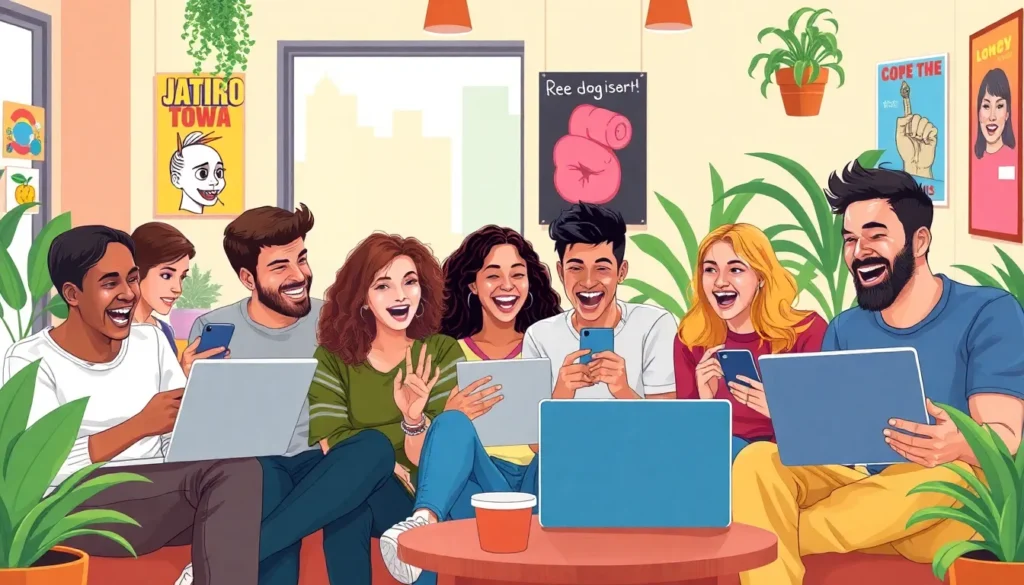
Web culture encompasses various components that shape online interactions and communities. The following elements highlight the essence of this digital phenomenon.
Online Communities
Online communities foster connections among individuals sharing similar interests. Platforms like Reddit and Discord have become pivotal for discussions and collaborations. These spaces encourage the exchange of ideas, resources, and experiences. Members engage through forums, chat rooms, and groups, cultivating a sense of belonging. Users often create and share content reflecting their unique perspectives and humor. Additionally, these communities offer support and solidarity, promoting collaboration on projects and advocacy efforts.
Memes and Trends
Memes and trends play a significant role in shaping web culture. They often convey humor and commentary on current events or social issues. Viral challenges and hashtags unite users around shared experiences, driving participation and creativity. Platforms like TikTok and Twitter accelerate the spread of these phenomena, encouraging rapid engagement. Memes provide a way to communicate complex ideas in entertaining formats, often with immediacy and relatability. Additionally, trends evolve quickly, reflecting the dynamic nature of digital interactions and the interests of the online populace.
Influence of Social Media on Web Culture
Social media profoundly shapes web culture by influencing communication, trends, and community interactions. Engaging with these platforms creates unique environments for content creation and sharing.
Platforms and Their Impact
Facebook, Instagram, Twitter, and TikTok serve as critical hubs for user interaction. Each platform caters to different audiences, creating diverse cultural landscapes. Twitter’s character limit drives concise expression, encouraging quick exchanges of ideas. Instagram emphasizes visuals, leading to a culture focused on aesthetics and lifestyle. TikTok popularizes short-form videos, fostering creativity through easily consumable content. These platforms enable users to connect, share, and engage, shaping their online identities.
Virality and Engagement
Viral content captivates users, often leading to quick, widespread sharing. Memes are a familiar example, acting as commentary on societal trends and generating humor. Engagement metrics like shares, likes, and comments reflect user interaction, indicating content popularity. Hashtags connect users, allowing them to participate in trending conversations. Challenges encourage collaboration, turning individual creativity into collective experiences. This engagement fuels community growth, creating a cycle of influence and participation within web culture.
The Role of Content Creation
Content creation drives web culture, shaping conversations and bringing communities together. Through various formats, creators express thoughts, share experiences, and engage audiences.
Blogging and Vlogging
Blogging serves as a platform for individuals to share insights and knowledge. Many bloggers focus on specific topics, attracting niche audiences who appreciate targeted content. Vlogging offers a visual storytelling approach, allowing creators to convey emotions and experiences effectively. Platforms like YouTube enable vloggers to reach vast audiences, enhancing community engagement. In combination, both blogging and vlogging cultivate a sense of authenticity, facilitating personal connections between creators and their followers.
User-Generated Content
User-generated content fuels web culture by providing diverse perspectives and voices. This content often includes reviews, photos, and videos shared on social media. Websites like Instagram and TikTok highlight this phenomenon, allowing individuals to showcase creativity and opinions. Active participation encourages collaboration and spontaneity, motivating others to join in. By embracing user-generated content, platforms foster vibrant communities, reinforcing connections through shared experiences and common interests.
Challenges and Criticisms of Web Culture
Web culture faces several challenges and criticisms that impact user experiences and community dynamics.
Misinformation and Authenticity
Misinformation spreads rapidly online, affecting how users perceive reality. Social media platforms struggle to combat false narratives, leading to significant concerns over authenticity. Users often can’t distinguish fact from fiction, resulting in confusion during key events, such as elections or crises. Content creators sometimes prioritize sensationalism over accuracy, fueling distrust among audiences. Communities benefit from critical discussions that promote media literacy, helping users navigate this complex landscape.
Privacy and Data Concerns
Privacy remains a significant issue within web culture as users frequently share personal information. Data breaches and unauthorized tracking raise alarm, resulting in increased demand for transparency. Users feel vulnerable as platforms collect and monetized their data, often without adequate consent. Navigating the complexities of privacy policies can frustrate users unfamiliar with legal jargon. A focus on robust data protection measures and informed consent can restore trust, fostering a safer online environment.
Web culture continues to evolve at a rapid pace shaping how individuals connect and express themselves online. Its blend of creativity and community fosters unique experiences that reflect broader societal trends. While challenges like misinformation and privacy concerns persist navigating this digital landscape offers valuable opportunities for engagement and connection.
As users explore the vibrant tapestry of web culture they not only participate in a dynamic dialogue but also contribute to the ongoing transformation of online interactions. Embracing this culture allows individuals to harness the power of creativity and collaboration in a world that’s increasingly interconnected.